
正在同步电影信息
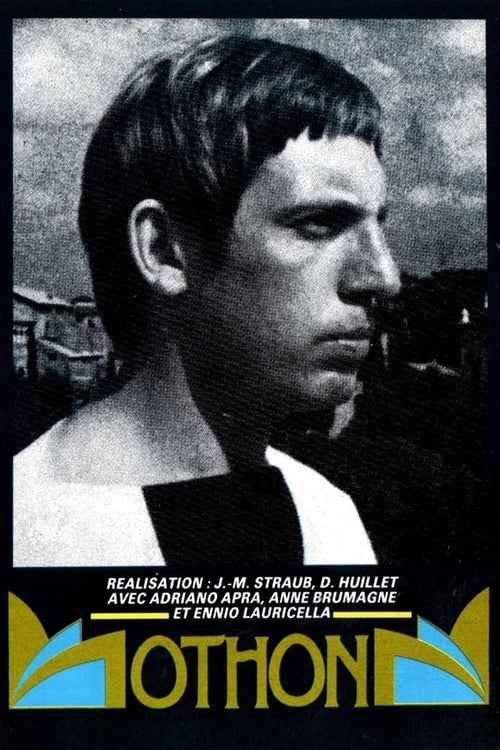
Straub-Huillet’sfirstcolorfilm,Othon(Lesyeuxneveulentpasentouttempssefermer,ouPeut-êtrequ’unjourRomesepermettradechoisiràsontour)adaptsalesser-knownCorneilletragedyfrom1664,whichinturnwasbasedonanepisodeofimperialcourtintriguechronicledinTacitus’sHistories.Thecostumingisclassical,andthetoga-clad,nonprofessionalcastperformsthedrama’soriginalFrenchtextamidtheruinsofRome’sPalatineHillwhilethenoiseofcontemporaryurbanlifehumsinthebackground.Theirlinesareexecutedwithaterrificflatnessandfrequentlythroughheavyaccents;thelanguageinOthonbecomesnotmerelyanexpressionbutathingitself,anelementwhoseplainnessherealertsustoqualitiesoftheworkthatmightotherwisebesubordinated.“Ifateverymomentonecankeepone’seyesandearsopentoallofthis,”Straubwrote,“it’spossibletoevenfindthefilmthrillingandnotethateverythinghereisinformation—eventhepurelysensualrealityofthespacewhichtheactorsleaveemptyattheendofeachact.”