正在同步电影信息
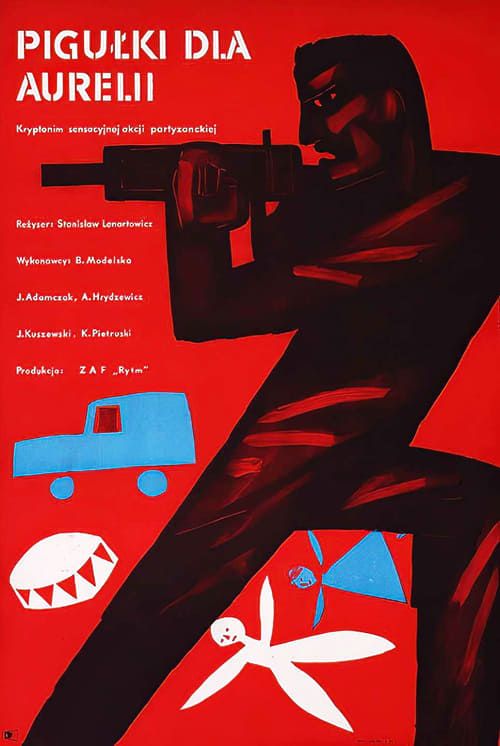
AnessaybyRafalMarszalek:<br/> PillsforAurelia-Whoneedsadoctor?<br/> TheaveragecinemagoerknowslittleaboutthefilmmakerStanislawLenartowicz.Bornin1921,heservedinthePolishHomeArmyduringWorldWarIIintheVilniusDistrictwherehewasarrestedandsenttoaSovietforced-labourcamp.AfterthewarhestudiedPolishandWroclawUniversityanddirectingattheFilmSchoolinLodz.Hegraduatedinfilmstudiesin1953,alowperiodforPolishculture.Hemadeseveraleducationalfilmsinthefirstfewyearsofhiscareer,butthemanwhowasoneofthegreatesttalentsinPolishcinematographydidnotmakeuseofhisgreatabilities.Fewofhisfeaturefilmsstoodthetestoftimeandideologicalchanges,althoughhedefinitelycouldnotbecountedamongtheso-calledregimeartists.<br/> CinemawasLenartowicz'sgreatpassion.However,whenartistswerecompletelydependentonthecommunistauthorities,thispassionwasasentance;iftheycouldnotlivewithoutfilmmaking,theyhadtoincludeelementsintheirfilmsthatwouldsatisfytheirproviders.AtypicalexampleisLenartowicz'sTheLastDaysofPeace(PamietnikpaniHanki),asatireonthepre-warupperclasses.Suchconcessionsnotonlypreventedsuchfilmsfrombeingasgoodastheyshouldhavebeen,buttheyledtoalackofstylecoherenceandmisrepresentedthemeaningsofthefilms.Ironically,duringsocialandpoliticalturbulence,theseconcessionsconstitutedambiguous"evidence"againsttheirauthors.<br/> TodayGiuseppeinWarsaw,sometimesshownontelevision,seemstobethebest-knownfilmofLenartowicz,whofirstattractedattentionin1956withhisWinterTwilight(Zimowyzmierzch)thattriedtobreakthebarriersofsocialrealismwithamorepoeticstyle.GiuseppeinWarsawisawell-madecomedythatdrawsattentiontoanimportantgenerationalaspectofthefilmmaker'swork.Theabilitytoperceivethecomicalaspectsofeventhestarkestrealitywasoneofthemostcharacteristictraitsofthegroupofartistsfromthewargeneration.ThisisworthnotingbecausetheworksofmanyfilmmakersandscreenwritersfromthegenerationofKrzysztofKamilBaczynskiandTadeuszGajcyareunintelligibleorseemcoarseifnotviewedfromthecontextoftheartisticconsciousnessofthoseborninthe1920's.PillsforAureliaisatypicalexampleofthefilmwhichiscompletelyunintelligiblewithoutconsideringthecontextandthepoliticalpowerdistortingthemessageofthatgeneration.<br/> ThispoliticalpressurefusedmanyambiguitiesintoPillsforAurelia.Theadoptedneorealistconvention(theresultoftheheavyinfluenceofItalianneorealismwhichwasverypopularatthattime)wasimpossibletofollowwhenthestoryreferredtoeventsthatcouldnotbediscussedopenly.Oneofthefilmsequencesintroducesslightlysurrealisticfeaturesfromtheborderlinebetweentherealworldandadream;however,thisdoesnotsolvetheproblemoftalkingaboutsomethingregardedastaboo.Suchwasthecharacterofallattemptsatexpressingthedeepesttruthsaboutthewargeneration.TheGordianknotofPolishculturewashowtocreatearealstoryaboutHomeArmysoldiersandredeveloptheviewersrespectforthemwithoutthepossibilitytoshoweventheslightesthistoricaltruth.Itishardtoblamefilmmakersforhavingbeenunabletocutthisknot-especiallyiftheyweretolaterpersecutedfor"spreadinglies"aboutwhowereheroesandwhowerenot.<br/> "Heroeslieatthecemetery"<br/> InthescreenplayofPillsforAurelia,referencestohistoricaleventswerecoveredupunderawealthofcluesthatwerecleartoaudiencesofthe1950's.Thefilmissetatthetimewhenreal-lifewartimeheroJanPiwnik(codename"Ponury"),oneofthemosteffectivecommandersofKEDYW(PolishDirectorateofSabotageandDiversion)andoneofthefirstmembersoftheCichociemni(UnseenandSilent)commandotroops.OperatingintheRadom-KielceHomeArmyarea,hemergedscatteredunitsandformedthreeseperatewell-organisedpartisantroopsthatharassedGermantransportsandgarrisons.Hisstorywasanexampleoftheeffective,well-organisedandarmedresistancemovement.AnotherlegendarycommanderoftheKielcepartisanunit,AntoniHeda(codename"Szary"),ledaraidthatfreed300politicalprisonersfromaStalinistprisoninKielcein1945.Until1989,itwasimpossibletodepictsuchcharactersasheroes.<br/> Themovieshowsanunspecifiedundergroundorganisation;therewastobenoreferenceinthefilmtothePolishHomeArmyuntil1980,whenJanuszMorgenstern'sadaptationof"WHour"byJerzyStefanStawinskiwasreleased.TheorganisationpresentedinthefilmundertakesanoperationtofreeoneoftheitsmembersfromtheGestapo;however,afewdaysbeforetheplannedmission,theNazisinterceptthewholestockofweaponsandtheundergroundactivistshavetotransportotherair-droppedweaponsfromRadomtoKrakow.Theplotlooselyreferstoeventsconnectedwiththeproductionofmachinegunsinanagriculturalmachinesfactory-herereplacedbyatoyfactory-whichwasusedasaweaponsstorehouse.<br/> AllthataHomeArmysoldierhadtodoinapoliticalthawfilmwastodieandclearthewayforotherbetterandmorepoliticallycorrectheroes.Sometimesitwasa"romantic"death,butusuallyitwastheconsequenceofanincautiousactionoraheroiccharge.ThisiswhytheRadom-Kielce-Krakowroadisaroadtodeath;thedevotionoftheparticipantstotheoperationcostthemtheirlives.Butdeathitseltisnotpresentedinasentimentalmanner,notcanwesaythatthefilmcreatorsdegradedtheheroismofthecharactersbyshowingunjustifiedbravado.Theoperationbecomescomplicated:theGermanarmyoccupiesthetoyfactorywheretheweaponswerehidden,buttheconspiratorsfromKrakowdecidedtoseizetheweaponsanyway.Theydieduetostupidityandthecowardiceofthechauffeur.Thefilmmakesitclearthatallevents,includingthearrestofthechauffeur,occurbecausetheorganisationenrolledanunreliablepersonwhodidnotidentifywiththegoalsofitsactivists.<br/> ThefactthatthefilmdoesnotshowHomeArmysoldiersasrecklessandclumsyboyswhopreferbravadotocommonsense,withoutrecoursetothealibiorromantictragedy,isarealphenomenon.Weclearlyseeanattempttomakeafilmaboutawell-oiledandloyalteamofpeople,andthecauseswhichmaythwarttheeffectsoftheirjointdedicationor,quitetheopposite,thecausesthatmayinduceanoutsidertoidentifywithasecretmissionbeyondanyideologyandwithoutaffectation.ThePolishPeople'sRepubliclovedquestionslike"heroismorfoolhardiness?"andevenmoreitlovedtoasktheminsuchamannersothattheanswerwasaforegoneconclusion.Indeedthepriceofthefinalsuccessissohighthatwemaywonderwhetheritissuccessatall(whichthepresspickedupveryquickly),butthefilmveryskillfullygoesbeyondidlediscussionabouttheproblemof"futilesacrifice."Afterall,suchideologyhadbeenspreadsince1944todiscourageresistanceagsainsttheSovietsystem.<br/> Lenartowicz'sfilmwasoneofthefirstattemptstotakeupthesubjectoftheNazioccupationintheformatofaWesternthriller,withsimultaneousreferencestotheneorealistframecompositionandfilmset.Thefilmhypesthedramawithsuddenplottwistsanddesperatefightsagainsttime,whichissuperiortothesubjectofthemovie.Thistrickhelpedjustifytheending.WecanseetheinfluenceofsuchfilmsasthelegendaryWagesofFearandotherfamouswarsuper-productions.Inthestructureofsuchtypesoffilms,theconsecutivedeathsofthecharactersweremostlyconnectedwithbuildingupsuspenceandlendingvaluetoactionsrelatedtothemaincharacters.Fromtheperspectiveoftheprinciplesofawarfilmoranyactionfilm,slayingsuchcharacterswouldbeascreenplayfailure.<br/> QuestionsofIdentity<br/> InPillsforAureliatheslightlymysterious,thoughvirileandstronglyindividualisedcharacters,showhowfilmmakerssuccessfullysmuggledimportanttruthsaboutthewargenerationthattheauthoritiesconstantlytriedtohide.Theviewmayevenseetheindescribablesenseofethicalordercharacteristicoftwenty-something-yaer-oldsolvingduringtheoccupation.Thechaosofaworldplungedintowardoesnotdestroythissense;itevenmakesmaintainingthesestandardsandprinciplesanobligationwhichismoreimportantthanstrivingtokeepalive.Themysteriousessenceofthisattitudeiswell-renderedinthefilm,andtheobligationistreatedasifitwasalawofnature,likehungerorthirst.Itisnotthesurvivaloftheindividualthatconstitutesthesuperioraim,butthesurvivalofthewholecommunity-withtheethicalfoundationonwhichitrisesfromthecivilisationalandculturalashes.<br/> Withthewholerealismofthefilm,thesymbolicroadofthecharactersmakesusawareofsomethingelseveryimportant.LenartowiczcreatedprobablytheonlyportraitofawargenerationinthePolishPeople'sRepublicthatsuggestedanentirelynewviewoftheoccupation,differentfromthenotionoflivinginthepast,thepreservationofdeadmythsandutopianideas,orthatsomehow"thingswillworkout".Thiswasanewbreed.Theirkeendeterminationandmysterious(butnofanatical!)beliefintherightnessoftheiracts,aswellastheircourage,forcedthequestion:"Whowerethoseunusualpeople?"Inthemovie,thismysterybecomesboththecauseofLilka'samorousfascination,andanimpetusforhertocompletetheoperation.Thefactthatisitaseminarystudentwhofallsinlovewithastronggirlwithapastcouldseemtobeadirector'sgifttotheauthoritiestopromotetheiranti-Churchpolicy.InfactthistrickresemblesthestrategyusedbyAndrzejMunk:thefilmstressestheseperationofagroupofseeminglydesperatepeoplefromtherestoftheworld,butatthesametime,theirdeepimmersionineverydaylifeandthefundamentaldecencyofaparticulartypeofcommonpeoplewhoareneitherangelsnorheroes.<br/> The"non-heroicheroism"ofthegirlwhogoesbacktoherunhappyworldbecomesanotherunconventionalwayofaskingimportantquestions.LilkaisnotlikeafallenwomanfromWesternfilms,inwhichdepravedbutsoft-heartedladieshelpthemaincharactersandalwaysdiebeforetheirweddingstoavoidcreatinganambiguousmoralpatternforthebourgeoisaudience.Hereasmartgirlwhohasbeenknockedaroundabit,andwhohaslearnedhowtomanageonherown,comesacrossasituationwhichisbeyondhernotionsbothaboutthesurroundingworldandherown.SheistheperfectalteregoofDzidziusfromtheMunk'sEroica.<br/> Whothisyoungpersonwillbecome,andwhatshewilldowiththeexperienceshegained,withherwounded,unrequitedlove,withherstylisedcynicism,memories,andfuturelife:thesearethequestionsofanaverageyoungPolewhoevercomesface-to-facewiththewargenerationorwhoactuallybelongstoit.InthiswaythestoryshakesoffthefatalisticcoatingimposedbytheGomulka'sthawculturalpolicy.Thefilm'sfinaleshiftsthefocusontotheviewers'slifeandhisdebttothoseofwhomAndrzejWajdaoncesaid:"Ilovethesetenaciousboys."Viewedthisway,thetitleofthefilm(whichistheconspirators'password)referstoacompletelydifferent"operation"andtodifferent"pills"withoutwhichsociety,seperatedfromthelivinglegend,waslosingitsownidentityandwasladenwiththeburdenofbadanddistortedmemory.<br/> StanislawLenartowiczsaidthatfilmslikeAshesandDiamonds,withtheirseriousauraandtheirpoetisationoftheresistancemovementsoldier,gotonhisnerves.ThehistoryofcinematographyestablishedafalseandsuperficialpictureoftheallegeddivisionoffilmsduringGomulka'sthawinto"romantic"and"anti-romantic"ones.Thelineoftherealdivisionranelsewhereandcoveredawidevarietyofelementsotherthanthecontrastbetweenheroismandanti-heroicjeering.Itwasadesperatestrugglebetweentheliving,culture-formingmythandthefalsestorythatwastherealessence;thesetwotendenciesoftenopposedeachotherinonefilm.InPillsforAurelia,Lenartowiczemergesasanheirofthetruthabouthisgenerationinmanyways;hespeakstothisgenerationandhelpstohealitswounds.<br/> Thisgenerationidentifieditselfwiththeintelligentsiatradition,butitkeptaskingwhyindifficulthistoricalcircumstancesacertaintypeofcommonmenretainedpride,humandignity,hope,andtheabilitytobegenuineheroes.Thisspecialbreeddiscernedthesharpborderlinebetweengoodandevil,unlikethosewhowererecognisedasauthorities,educatedor"well-born"citizens.Theintellectualwargenerationmetthecommonmaninvarioussituations:atwork(oftenwithfakeworker'sdocuments),inundergroundactivity,duringtheWarsawUprising,inconcentrationcamps,andamongpartisans.Polandhadgreattraditionsinthesocialistandpeasantmovements,whichduringWorldWarIIvictoriouslystoodthetestofNazism.<br/> ItisworthmentioningAndrzejMunk'sworksonceagain,asherewecanfindtheproblempresentedinthisarticle,whichistheconvictionofheirsofthegenerationtraditionthatthetruthabouttheyoungwarintelligentsiaandthecommonmanwhoresistedthetotalitariansystemcouldbeexpressedintheirinseperableconnection.Therewasnoromanticidentificationofartistswiththegrouppushedoutsidethemarginsof"bad"society,noidealisationorthepeopleinLenartowicz'sfilm;thechauffeurMichalakisproofofthat.Instead,therewasatypicallyModernistconvictionthatsocialandnationalorganismswouldnotfunctioncorrectlyanddieifthemostimportant"organs"werereplacedbyideologicalsurrogatesanddummies,andthemythsthatweresacredforthePolishpeoplegavewaytoafalsestory.ThePolishSchoolfilmmakersmadeanattempttobuildtheother,symbolicfoundation,whichwouldbedeeplysetinPolishandEuropeantraditions.Themyth,snatchedfromthePoles,foundatemporaryrefugeincinema,thoughitwasrarelyunderstoodproperly.<br/> AlsonotableinPillsforAureliaistheveryreliablelanguageofthecharacters,notdistortedbypoetisation.Thisconstantquestfora"basic"andnotdistortedlevelofinterpersonalcommunicationisalsoanimportantfeatureintheworkofthewargeneration.Therewasaconvictionbehindthatstrategythattheabilitytoretainone'sownindividualisedlanguageprovedtheabilitytonon-emotionaldefenceofcultureandtraditiononthesametermsasthoughitwasacourtyardofone'sownhouse.<br/> "LastInsurgents"<br/> FollowingthetrendsofGolmulka'sthaw(andthedirector'spersonalinterests),therearesomecomicalelementsintroducedtowarandoccupation,buttheymustbeexplained.ThesceneoftheGermansoldierwhodoesn'tnoticethetransportweaponsbecauseheisengrossedinaplay,ortheattemptofanotherGermansoldiertohavefunontheoutskirtsofKrakow,donotfitthestereotypeofthe"stupidBoche"thatwasomnipresentatthattime.Andsothereisanotherfeatureoftheworkofthewargenerationartists:theblurringofthelinebetweenhumourandtragedy,ridiculousnessandterror,asmileandthegrimaceofdeath-allsomuchdifferentfromthegrotesqueconventionoftheinterwarperiod.Thatgrotesquenessispresentonlyinthescenesinthecastlewherethecharactersfindatemporaryrefuge.<br/> ThecharactersoftheeccentricoldmanJaremaandhisfatherwhois"thelastparticipantoftheJanuaryUprisingof1863,"andthemad,drunkpaintedwhorestoresmuralsareveryintriguing.Iftherewereawaytointroducehumourtothefiml,itwouldbecloselyrelatedtothestyleofKuznica,whichjeeredaromantictradition.Yetherewefindanimportant19th-centurytheme:acommunitythatdoesn'tloveandrespectitsheroes,andforcesthecreationofanartificial"museum-like"spaceinwhichformersoldiers-abandonedbyall-theireulogistsanddefendersareimprisoned.Allsignsandsymbolsoftraditionlosetheirculture-formingandtherapeuticpower.<br/> Possiblesymbolicreferencesinsidethesequenceitselfareunitelligible,althoughtherearesomeoverwhelmingassociationswiththegrotesquetravestyofSewerynGoszczynski's"KingoftheCastle."Inthefilm,suchscenesbecomeameansofemphasizingtheseclusionofthewargeneration;therespectformadoldmenandtheirfascinations(theuprisings,thePolishHussariawingedcavalry,art)isclearlydistinguished.Atthesametimethefilmstronglystressesthatthisisnottheirworld.Theyoungwilltakehorsesandcarriageaway,strugglingwithJarema,andsetofftocompletetheirmission.Theydonotaskwhetheritwillbesuccessfulornot.<br/> Thissequencepermitsthecrationofaninterpretivecircle:theviewerforwhomtheWarsawUprisingandthestruggleforindependenceareveryimportantandtheformerinsurgentcouldbeportrayedinthesamewayinfilmsandliteratureofthePolishPeople'sRepublic.Onceagain,thememoryofyoungsoldiersandpoetsiscalledupand,paradoxically,purifiedinadifferentmanner.Herewehaveanotherlessonofthegeneration'sattitude;bychoosinggrotesqueness,Lenartowiczshowsthenecessityforanartisttocreateadistancefromhisownmessageandtrauma,nomatterhowpainfulisthesubjecthehastakenup.<br/> Theendingofthefilmisararemetaphor,difficulttoshowincinema.Itexpressesthesamemeaningsasdothepoliciesofthegeneration,suchasAndrzejTrzebinski'sarticles:thefutureisthemostimportantthing-butnottheabtractoneofglowingsocialistutopias.Therealfutureemergesintheactsofthecommonpeople.Thehistoryofthemostpowerfulcivilisationsendsatthepointwherethereisnolongeratangledpathstrewnwithgravesofunknownheroes.Itratherendssuddenlyandturnsintoawideroadtrampledbymillionsoffeet.Itmakesnodifferencewhetherthecrowdholdsflagswith"romantic"heroes,filmidolsorfalseheroesofpoliticalmyths;thecrowdisheadingforaprecipice.InthisfilmitisimportantthatLilkacontinuesherownwaywiththememoryofthesenseofcommunitysheexperienced,andavoidthetrapsofGoszczynski's"Castle."