
正在同步电影信息
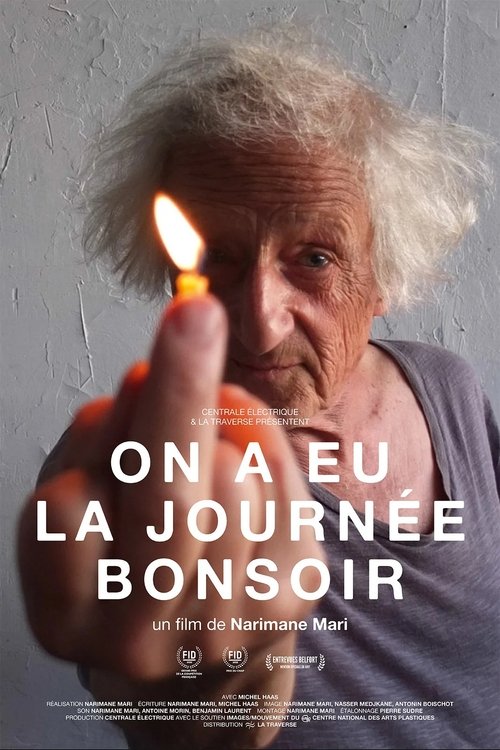
Alovesongforthedead,WeHadtheDayBonsoirreachesbeyondmourningandeulogy–towardssomethingeternal.Withfragmentsofintimatedocumentarysoundandfilm,NarimaneMaricapturesavividyetobliqueportraitofherlatepartner,thepainterMichelHaas.It'sanodetoaspecificlifethroughtheeyesandearsofhislover,butalsotolifeitself.<br/> Throughhereyes,weseesomeonefullofthatliferightuptohisfinaldays:onallfourspaintinginthedirt,laughingchildlikeatChaplin,swearingatthecamera.ButMariseemsmoreconcernedwithlistening:tovoicemailepiphaniesbetweenthetwolovers,toanunansweredpleafromHaas'sdoctor,tothelappingofwaves.Withtheselyricalfragments,thefilmoftenpondersalongwithHaasandMariabouttheimpossibilityofendings.Howthe‘illusion’oftimepassingclasheswiththewillofhumanstories,andofart,toendure.<br/> “Everysoulisamelodythatneedstoberenewed”,Marisays,biddinguslisten.Because,thefilmkeepsremindingus,whatweseeintimatelyofHaasandhisworkisonlyaglimpseofwhatalwaysremains–justoffframe,outofearshot,afterthefinalcut.<br/> 源自:<ahref="https://www.douban.com/link2/?url=https%3A%2F%2Fiffr.com%2Fen%2Fiffr%2F2023%2Ffilms%2Fwe-had-the-day-bonsoir&link2key=a76954685c"target="_blank"rel="nofollow">https://iffr.com/en/<wbr/>iffr/2023/films/we-h<wbr/>ad-the-day-bonsoir</a>