正在同步电影信息
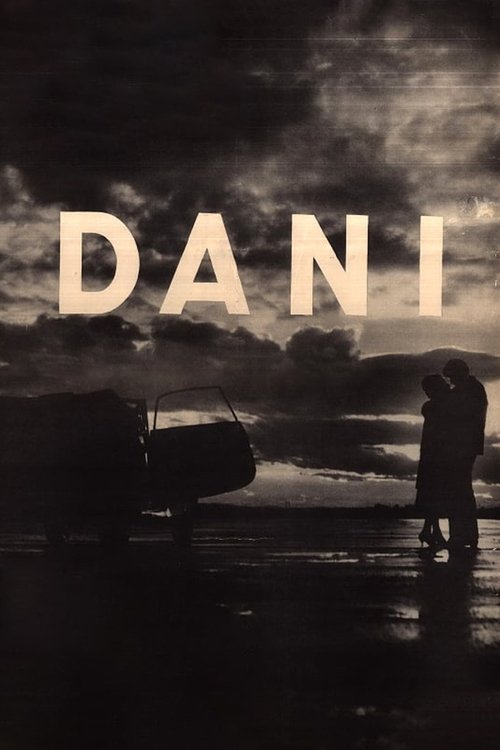
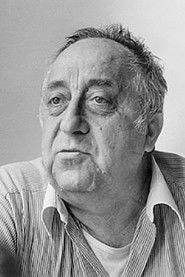
Whileherhusbandisaway,Ninasetsouttocombatboredom.ThewealthywomanvisitsanelderlyauntandfrequentsthestoresandboutiquesofdowntownBelgrade.ShespendsthedaywithahandsomestrangerwhoisobviouslyenamoredwithNina,butthetwoseparateattheendoftheirmemorabledaywhenshetellshimsheismarried.<br/> Onedayofmarriedwoman,whodidnotsucceedtodetermineherplaceinlife.Shegetsinseriesofcharacteristicsituationswhicharediscoveringherlifeandfaith.Herlifeisareflectionofherpersonalsolitude.Shemeetsayoungman,whohasjustreceivedanotethathisfatherisdying.Theyspendoneafternoontogether,tryingtogivenewshapeandsensetopictureoflife.<br/> YugoslaviandirectorAleksandarPetrovicwasoneofhiscountry'smostprominentfilmmakersduringthe1960s.Hisbest-knownfilmsareTri(Three),whichearnedthehighestawardattheKarlovyVaryFilmFestivalin1965,andSkupljaciPerja(IEvenMetSomeHappyGypsies),whichwontheGrandPrixatCannesin1967.PetrovicgothisstartasafilmcriticfollowinggraduationfromBelgradeUniversity.HiswritingsoncinemamadehimoneofYugoslavia'smostrespectedfilmcriticsduringthe'50s.Hethendirectedafewdocumentaries.Petrovicmadehisfeature-filmdirectorialdebutwithDvoje(WhenLoveIsGone)(1961).Thisandhissubsequentfilm,Dani(Days)(1963),wereheavilyinfluencedbyFrenchNewWaveandheraldedthedawningofthe"BlackWave"inYugoslaviancinema.FollowingthesuccessofSkupljaciPerja,Petrovicbeganhavingdifficultywithhisgovernment.ItbeganwhengovernmentalofficialstookoffensewithhisadaptationofBulgakov'snovelMajstoriMargarita(TheMasterandMargarita)(1972),callingthefilmadirectassaultagainstcommunism.In1973,PetrovicwasforcedtoleavehispostattheBelgradFilmAcademybecauseofthescandalsurroundingthefilmPlasticJesus,whichwasmadebyhisprotégé,LazarStojanovic.Thoughhewouldcontinueontomaketwomorefilms,oneoftheminFrance,Petrovic'spromisingcareerwasover.