正在同步电影信息
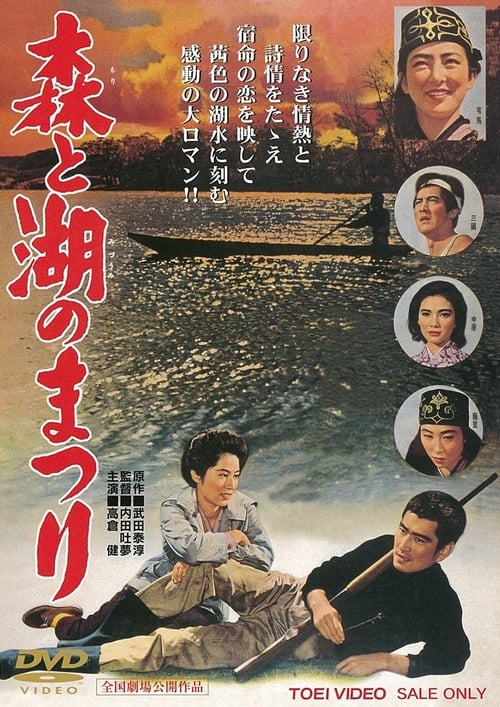
OneofthemajorjoysofwritingaboutJapanesemoviesisthatwheneveryoubegintogetthattired,jadedfeelingthatyouthinkyou’veseenitallandthatthere’snothingleftthat’severgoingtosetyourpulseracing,youstumbleacrossawholepreviouslyhiddenseamofmoviesthatcompletelyrevolutionisesanyideasofwhatJapanesecinemais.IremembergettingthisfeelingwatchingtheworksofHiroshiShimizuatthe2003TokyoFILMeX,andIgotitagainatthesamefestivalexactlyoneyearlater,duringa13-filmretrospectiveofTomuUchida,whichtravelledtotheRotterdamFilmFestivalinaslimmed-downversionacoupleofmonthslater.<br/> InEnglish-languagefilmcircles,notmuchisreallygenerallyknownaboutJapanesecinemapriortothe1960s.AndersonandRichie’sTheJapaneseFilm:ArtandIndustryisstillthebibleforthosewhowanttofindoutmore,butmorerecentnon-academicpublicationsarelimitedbythefilmsthatareavailableforviewing.It’sacatch-22situation,whichDVDisslowlyovercoming.Yetstill,outsideoftheworkofafewmajordirectorslikeKurosawaandOzu,recentreleaseshavetendedtostickwithproductsfrommorerecentyears,moreoftenthannotfocusedaroundthetwinpolesofartandexploitation.<br/> ItisthereforereallydifficulttogetanybroaderpictureofwhattheindustrywasdoingbeforethedaysofyakuzamoviesandRomanPorno.Yetthe1950swerethedecadewhentheJapanesecinemahadreachedfullmaturityandcinemaattendanceswereatapeak,theso-calledGoldenAgewhenthemajorcompanieswerebetweenthemturningoutaround500filmsayear,allmadebydirectorswithseveraldecadesofexperiencebehindthem,atlong-establishedstudioswithalargehighly-trainedprofessionalteamoftechnicians.FarfrombeingthebastionofconservativenessthatOshimaandtheNewWavedirectorslabelledittobe,Iamcomingtolookatthedecadeasavastluckydipwithsomefabuloustreasuresstillwaitingtobefound–suchasTheOutsiders,forexample,anepicoutdooradventureinwhichanembitteredKenTakakurafightsfortherightsofHokkaido’soppressedAinupopulation.<br/> TomuUchidawasoneofthosenamesI’dheardbandiedaboutalot,mostofteninconjunctionwiththefilmEarth(Tsuchi)madein1939.Aseminalpieceofsocial-realismmadebyadirectornotedforhisleftistinclinations,Earthfocusedontheharshlivesofacommunityoffarmersatatimewhenrapidurbanisationwasbleedingthecountrysidedry.Itwasapoliticalfilminthatitconfrontedtheswellingranksoftheemergenturbanmiddleclasseswhomadeupthelargebulkofcinemaaudienceswiththeplightoftheruralpoor,parallelingthereleaseofJohnFord’sadaptationofJohnSteinbeck’sTheGrapesofWrathinAmericaaroundthesametimein1940.<br/> Remember,longbeforethedaysoftelevision,cinemawastheonlywayofseeinghowtheotherhalflived,andintoday’simage-saturatedmass-mediacultureitiseasytooverlookthepowerandimmediacyofwhatpeoplesawonthebigscreen.Uchida’sfilmwasallthemorepoliticalbecauseitwasmadeatthetimewhenthelion’sshareofagriculturalproductionwasbeingputtowardsJapan’swartimeexpansion.Needlesstosay,itwentbanginthefaceofthetypeoffilmsthegovernmentwaspromotingatthetime.<br/> Earthwasfilmedoverthecourseofayearwithadocumentarist’sattentiontodetail,takingineachoftheseasonsandfocusingverymuchonman’srelationshipwiththesoil.ThisapproachofdrawingouttherealismandchartingthepassageoftimethroughtheuseofthefourseasonsmuchlaterbecameastapleofthedocumentaryfilmsmadebythecollectivecentredaroundShinsukeOgawa,suchasMaginoVillage–ATale(SennenKizaminoHidokei:Magino-MuraMonogatari,1987),ormorerecentlyinthedocumentary-styledfictionalworkofNaomiKawase,specificallythefilmsSuzakuandHotaru.<br/> Uchida’sfilm,bytheway,isnottobeconfusedwiththeGerman-Japaneseco-production,TheNewEarth(AtarashiiTsuchi),directedbyMansakuItami,thefatherofTampopodirectorJuzoItami.Thisfilm,releasedin1941,wasanationalistpropagandaworkmadeundertheinstigationofDrArnoldFanck,theGermandirectorwhosparkedoffthepeculiargenreofthe“MountainFilm”astypifiedbyTheHolyMountain(DerHeiligeBerg,recentlyreleasedonDVDintheUKbyEureka).AswrittenbyFanck,itsgoalwastoportray“unityoftheNazigroup-spiritandtheracialspiritoftheJapaneseasopposedtotheweakspiritofthedemocracies”,buttherewasconflictbetweentheJapaneseandtheGermancreativeelementsthroughouttheproductionduetothewayinwhichFanckconstantlymisrepresentedelementsofJapanesecultureinserviceofthefilm’shigherpropagandistpurpose(TheLastSamurai,anyone?).ReleasedoverseasatthetimeasTheDaughteroftheSamurai,oneofthefirstco-productionsJapanevermadewiththeWestthusendedupaclassictextbookexampleoforientalistfilmmaking.<br/> MuchofwhathasbeenwrittenaboutUchida’scareerintheEnglishlanguage–basicallyinAndersonandRichie’sbook–hasfocusedonhispre-warcareer.ButastheFILMeXretrospectiveclearlydemonstrated,thiswasonlyhalfofthestory.In1945,theleft-leaningdirectortravelledtotheformerlyJapanese-occupiedareaofManchuriainChinatojointheManchuriaFilmAssociation,orMan’ei,andwasnottocomebackuntil1953.Uponhisreturnhecontinuedforalmosttwodecadestoproduceawiderangeoffilmsthatfitintoeverygenreconceivable,fromtraditionalkabukiadaptationstomelodramaandyakuzamovies.<br/> ThediversityofhisoeuvrethereforemeansthatgettingagriponwhatelementstypifyanUchidapictureisadifficulttask,butontheevidenceofTheOutsiders,oneoftheoriginalprogramthattellinglydidnotgoovertotheRotterdamfestival,perhapsitisfruitfultoturnonceagaintotheparallelwithJohnFord.Thefilm’smixtureofheroicaction,makingfulluseofoneofthetopmachoiconsofitsday,anexpansivesenseoflocation,masterfuluseofcolourandcompositionandafocusonsocialinjusticemetedoutonlargesectorsofthenation’sindigenouspeoplehadmethinkingintermsofTheSearchers.Inwhatseemslikeanotherunlikelycaseofsynchronicity,Ford’sfilmwasreleasedjusttwoyearspreviouslyin1956.<br/> TheOutsidersissomethingofarevelation.Itcertainlylooksnothinglikewhatyou’dexpectfromaJapanesemoviemadearoundthemid-50s,whichisperhapsthereasonwhyitiscompletelyunknownoutsideofJapan.OpeningwithalengthypanacrossthebarrenmountaintopsofHokkaido,Uchida’sthirdfilmincolour,afterthetwopartsofthejidai-gekiDaibosatsuPass(Daibosatsutoge,1957/58)isanundeniablyexhilaratingvisualexperience,makingfulluseoftheToeiscopewidescreenformattocaptureJapan’snorthernmostterritoryinallitsruggedbeauty.ItalsoisofparticularinterestfordrawingattentiontothedestructionofthecultureandthediscriminationagainsttheindigenousAinupeople,adwindlingracefacedwithdangerofextinctionsincetheJapanesenationbeganitsconcertedpushnorthwardswiththegovernmentextendingadministrationoverallpartsofthelandmassin1868.<br/> ScreenlegendKenTakakuraisIshitaroKazamori,knownasByakki“thePhoenix”bythelocalAinupopulation,ashewhisksfromvillagetovillageonhorsebackdeliveringsuppliesandeducationalbookstothelocals,anoutcastRobinHoodcharacterworkingforthefutureofhispeople.ButByakki’sroughmethodsaren’ttoeveryone’stastes.MoneyhasbeengoingmissingfromthefundsraisedbythechairmanoftheAinuSociety,Dr.Ike(Kitazawa),awell-meaning“shamo”(non-Ainu)whohasdedicatedmuchofhislifetoresearchingthehistoryandcultureofJapan’saboriginalpeople.<br/> WhenDrIkebringsayounglandscapepainterYoshikoSaeki(Kagawa)fromTokyowithhimonhisfieldtripstosketchthelocallandscapes,thereisinitiallyresentmentofanotheroutsidertreatingthelocalpopulationsasherownpetproject.ButYoshikosoonbefriendsMitsu(Fujisato),anAinugirlwhowasjiltedyearsagoontheeveoftheholyBekanbeFestivalbyher“shamo”loverwhocouldn’tgothroughwiththestigmaofmarryingintothisostracisedclass.MitsumayalsoholdthekeytoByakki’swhereabouts.<br/> Meanwhile,asthenextBekanbeFestivalapproaches,tensionisgrowingbetweentheAinuandtheJapanesesettlersinthecoastaltownofNanbetsuduetoByakki’sincreasinglyunrulyantics.OnelocalwhosteadfastlyrefusestopitchintoDr.Ike’sprojectisOiwa(Mikuni),whorunsthelocalfisherywithhisoldfather(Susukida),andrunsastrictpolicyofnothiringanyAinuworkers.OiwabearsByakkiaparticularenmity,becauseByakkiknowsthatOiwaislivingindenial,masqueradingasa“shamo”andkeepinghisrealAinuancestrywellhidden.ButOiwaalsoknowsafewsecretsaboutByakki.<br/> HokkaidoisinmanywaysJapan’snorthernmostfrontier,itsownequivalenttotheWildWest,andTheOutsiders,thoughbasedonthenovelMoritoMizuuminoMatsuribyTaijunTakeda,mostclearlyresemblesanAmericanwestern,agrippingactionfilmlettingfortharighteouscryagainstsocialinjusticeagainsttheindigenouspopulationandunfoldingagainstanepiclandscape.Suchgenreappropriationscan’tbecoincidental.AscouldbeseenasearlybackasUchida’sown1933silent,ThePoliceOfficer(Keisatsukan),whichalsoplayedatFILMeX,JapanesefilmmakerswerecertainlynotaboveborrowingheavilyfromtypicallyAmericanstaplessuchasthecops-and-robbersfilm.Ican’tsaywhetherUchidaconsciouslymodelledhisfilmonthewestern,butthecrucialfactaboutTheOutsidersisthatthestorymakessenseandworksinitsownright,ratherthanjustbeingnoteworthyasacross-culturalhybridcurio.<br/> ThemaindrawingpointisofcourseHokkaidoitself,shotbeautifullybycinematographerShoeNishikawa,pickingouttheautumnalrusset-tingedhuesofthemajesticcountrysideoflakes,plainsandwoods,asthecameraglidesandtracksthroughaseriesofmainlyexteriorlocations.Butasidefromthisvibrantuseofcolour,alsousedtogreateffectinthematsuri(festival)scenesandthecolouredfabricsofthetraditionalcostumes,TheOutsidersisalsouniqueforrevealingafacetofJapaneseculturealmostcompletelydisregardedinitscinema.Bold,beautiful,andpackingapowerfuldramaticpunch,thereislittleelsequitelikeit.WecanonlyhopethatsomeadventurousDVDcompanywillpickitupsoon,becausethisisafilmthatcouldchangepeople’sperceptionsandprejudicesaboutJapanesefilmforgood.frommidnighteye