
正在同步电影信息
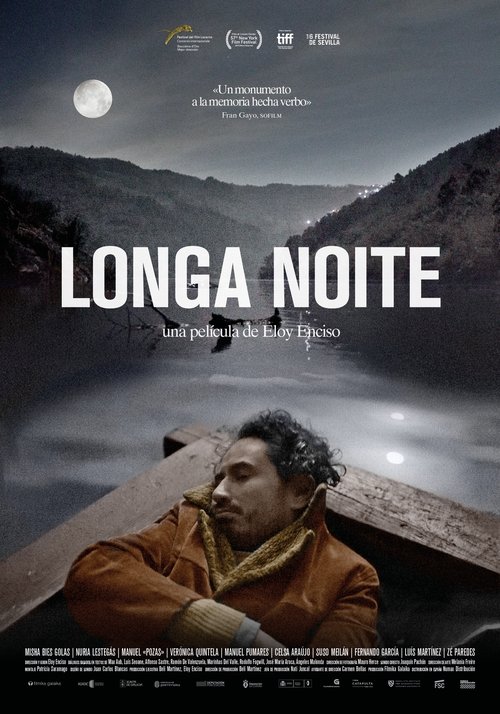
Workingwithnon-actorsandascriptsourcedfromexcerptedplays,memoirs,andletterspennedbypoliticalprisoners,GalicianfilmmakerEloyEncisoexploresthemoodandtextureoflifeinFranco-eraSpaininthematerialisttraditionofStraub-HuilletandPedroCosta.<br/> Takingitstitlefromtheexpressionlonganoitedepedra("longnightofstone"),whichwascoinedbythepoetCelsoE.FerreirotodescribethelengthyperiodofdictatorshipaftertheSpanishCivilWar,thethirdfeaturebyGalicianfilmmakerEloyEncisoexploresthepostguerramoodandthetextureoflifeinFranco-eraSpainbywayofunconventionalportraiture,thepowerofwords,andstunningatmosphericimmersion.Workingwithnon-actorsandascriptsourcedfromexcerptsofplays,memoirs,andlettersfrompoliticalprisoners,Encisoportraysavarietyofcharacters—bothvictorsandvanquished—astheynegotiateanewlyreorderedsociety.<br/> Atthefilm'sshiftingcentreisAnxo(MishaBiesGolas),whoreturnshometohisunnamedvillageintheyearsfollowingthewar,hisinteractionswithindividualswieldingvaryinglevelsofpowerservingtocastthecrueltyofthemodernworldintostarkrelief.Ashemovesthroughthetown,andeventuallyintothesurroundingarboreallandscape,thealreadymutedmoodturnstowardsthemournfulasthefilmapproachesitsquietlygrandfinale.<br/> FollowinginthematerialisttraditionofStraub-HuilletandPedroCosta,Encisocontinuestoexplorethemesthatpreoccupiedhiminhisearlierwork:thehumanpresenceinthelandscape(specifically,theforestasacontainerofpopularhistory),theculturalandgeographicspecificityofGalicia,thesearchformusicalityinlanguage,andtheintertwiningofhistory,fact,andfiction.<br/> Proceedingdreamilythroughitselliptical,day-to-nightstructure,Longanoiteisanocturneofferocityandresistance,astrangeandstirringindictmentoffascismthatemploysbeautifullycrypticmethodstocombatoblivion.