正在同步电影信息
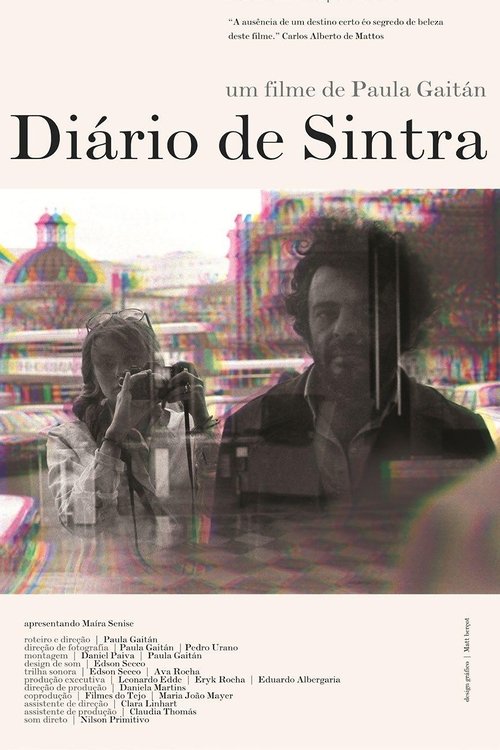
罗恰的妻子葆拉首次执导拍摄的一部先锋纪录片,讲述自己与丈夫曾经度过的美好时光,颇有诗意的8毫米家庭记录影像,都是葆拉当年亲手拍摄下来的。<br/> FilmmakerPaulaGaitánwasmarriedtoGlauberRocha(1938-1981),akeyfigureintheBrazilianCinemaNovomovement,whichembodiedpoliticallyengagedfilmmakingthatresistedcolonialisminLatinAmerica.Rocha'ssignaturefilmsincludeBarravento(1961),BlackGod,WhiteDevil(1964),LandinAnguish(1967),andAntoniodasMortes(1969),allremarkablyinfluentialfilmsatthetimeandoverdueforrevivaltoday.InDaysinSintra,GaitáncreatesadeeplymovingmeditationonmemoryandtimeasshechroniclesherreturnfromBraziltoSintra,Portugal,whereshelivedinexilewithherhusbandandtheirchildrenbeforehisuntimelydeath.Intheformofanexperimentalnarrative,shedeftlyinterweavesSuper8homemoviefootageandphotographstakenofRochain1981withbeautifullycomposed,evocativecontemporaryimagesofthePortugueselandscape.Inthismanner,Gaitánbothweavestogetherplace,unitingpastandpresent,andhighlightsremembrance.Long,silentpassagesaregentlyoverlaidwithGaitán'sownvoicemeditatingonmemory,loss,anddeath,aswellaswithrecordingsofRocha'svoice,articulatinghisphilosophiesoflife,politics,andfilmmaking.DaysinSintrarepresentsGaitán'sownvoyageofdiscovery,whichallowshertobringalivethephysical,sensual,andevenspiritualessenceofherlong-deceasedcompanion.Onadeeperlevel,thefilmmakeralsocapturesthemournful,atmosphericetherofthePortuguesenation.Theproudcountrythatlaunchedthevoyagesofdiscoveryinthe15thcenturyhasfounditsglobalpositiondiminishedwithtime,justasRocha'sfiercelyindependent,awardwinningfilmmakinghadfadedtoafaintmemory-untilitwasjustlyrevivedbyhiscompanioninthisexquisitediaryfilm.