
正在同步电影信息
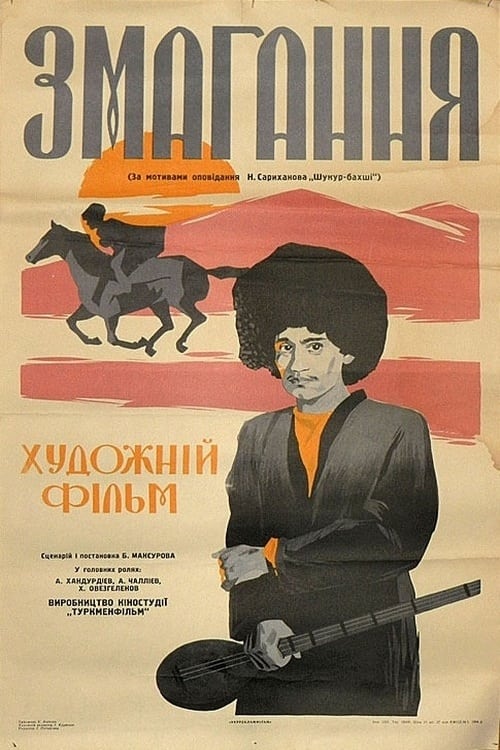
Inthe1960s,MansurovprovidedamodelofCentralAsiancinematographythatwasquicklyandeffectivelyrepeatedbyhiscontemporariestoestablishacanonofCentralAsiancinema,whichwouldbecomeknownasthe"goldenage’"oftheregion’scinematichistory.Localidentity,locallandscape,localactorsandlocalthemesconfrontedtheSoviettraditionofuniversalismandmodernitydirectedfromthe"commandingheights"ofMoscow.MansurovrenderedaCentralAsianviewofhumanitythattranscendedsocialistparadigmsandcreatedanimportantprecedentinCentralAsiancultureasitdriftedfromMoscow’scontrol.<br/> ...<br/> AccordingtoKhodjakuliNarliev,Mansurov’ssuccesslayinhisabilitytocombinephilosophywiththevisualrichnessofrealism:<br/> "1963,theyearoftheproductionofthefilmTheContest,isatthesametimetheyearofrenaissanceforTurkmencinema.ThisfilmwasourmessagetotherestoftheSovietUnionastotherestoftheworld."<br/> ButthetransformationwasnotlimitedtoTurkmenistan:"TheContestrepresentedsomethingtotallynewforthecinemainCentralAsiaasawhole,"Narlievcontinued.Afteritsinitialscreening,ChingizAitmatovwroteaboutMansurov’sfilm:<br/> "IdonotknowofasimilarworkinthecinemaofCentralAsia.Thisoneisonthelevelofthemasterpiecesofworldart.Aftersuchafilm,manywillhavetorevisetheirartisticpositionswiththecinema,andwiththissuccess,onecannotworkasbefore;thecriteriahavemovedtoahigherlevel."<br/> Morerecently,DavlatKhudonazarovstated:"BulatMansurov’sTheContestplayedforusthesamepartasthatofRome,OpenCityofRosselliniforEuropeancinema."