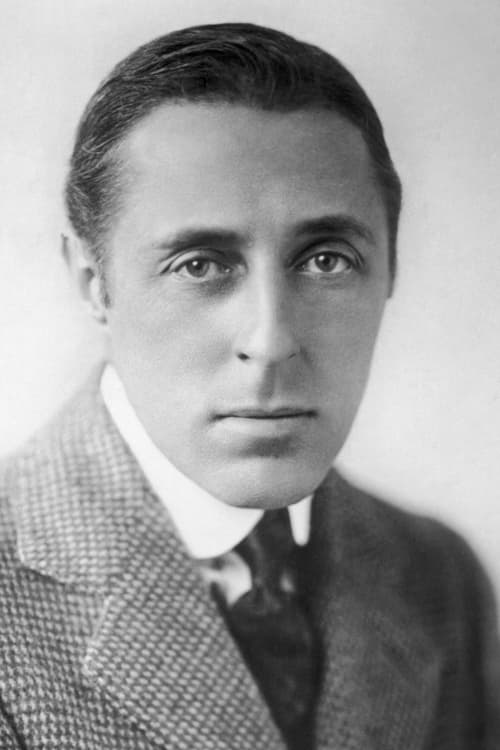
D.W. Griffith
David Wark Griffith (January 22, 1875 – July 23, 1948) was an American film director. Considered one of the most influential figures in the history of the motion picture, he pioneered many aspects of film editing and expanded the art of the narrative film. To modern audiences, Griffith is known primarily for directing the 1915 film The Birth of a Nation. One of the most financially successful films of all time and considered a landmark by film historians, it has also been denounced for its degrading portrayals of African Americans, its glorification of the Ku Klux Klan, and support for the Confederacy. The film led to riots in several major cities all over the United States and the NAACP attempted to have it banned. Griffith made his next film Intolerance (1916) as an answer to critics, who he felt unfairly maligned his work. Together with Charlie Chaplin, Mary Pickford, and Douglas Fair...
Filmography
Titles and credit roles
Director credits
0/39 Footlight Varieties
 The Struggle
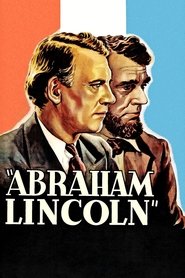 Abraham Lincoln
 Lady of the Pavements
 Drums of Love
 The Battle of the Sexes
 The Sorrows of Satan
 That Royle Girl
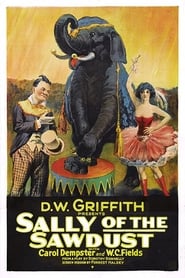 Sally of the Sawdust
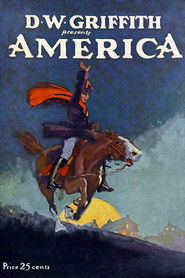 America
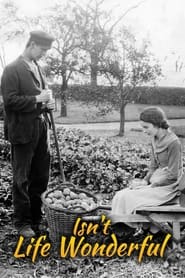 Isn't Life Wonderful
 The White Rose
 One Exciting Night
 Dream Street
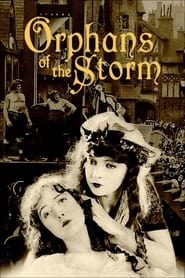 Orphans of the Storm
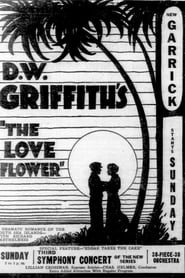 The Love Flower
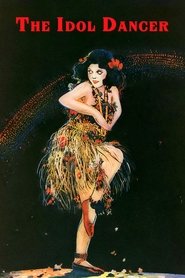 The Idol Dancer
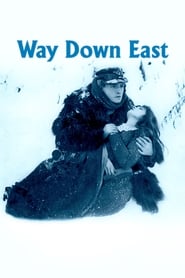 Way Down East
 The Fall of Babylon
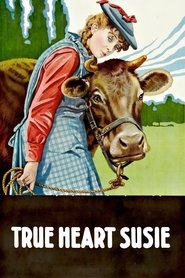 True Heart Susie
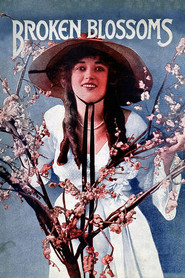 Broken Blossoms or The Yellow Man and the Girl
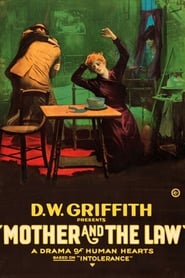 The Mother and the Law
 A Romance of Happy Valley
 The Greatest Question
 Scarlet Days
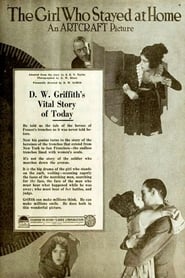 The Girl Who Stayed at Home
 The Great Love
 The Greatest Thing in Life
 Hearts of the World
 Intolerance: Love's Struggle Throughout the Ages
 The Birth of a Nation
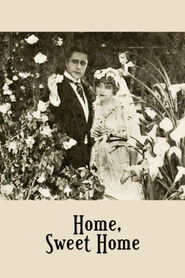 Home, Sweet Home
 The Battle of the Sexes
 The Escape
 The Avenging Conscience: or 'Thou Shalt Not Kill'
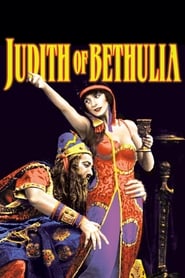 Judith of Bethulia
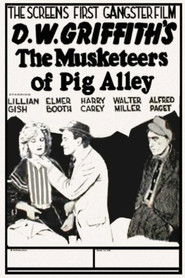 The Musketeers of Pig Alley
 Resurrection
 The Taming of the Shrew